

Lovely butter
"Beautiful quality cocoa butter with a rich, natural chocolate scent. It melts smoothly and adds a lovely creamy texture to creams and balms. It arrived well packaged and is a joy to work with – I will definitely be repurchasing."

 Rich, natural emollient for deep skin nourishment
Creates occlusive barrier to lock in moisture
Irresistible natural chocolatey aroma in formulations
Heat-tolerant, versatile ingredient for lotions and balms
Solid butter adds thickness and luxurious texture
Rich, natural emollient for deep skin nourishment
Creates occlusive barrier to lock in moisture
Irresistible natural chocolatey aroma in formulations
Heat-tolerant, versatile ingredient for lotions and balms
Solid butter adds thickness and luxurious texture


Minimum Shelf life:


Creates a rich, emollient texture that leaves skin soft and smooth.
Forms a natural barrier on the skin to help lock in hydration.
Provides a satiny finish that enhances the feel of lotions, balms, and creams.
Melts on contact with skin for easy absorption and glide.
Naturally chocolate-scented, adding a luxurious sensory element to formulations.
Improves the consistency, thickness, and stability of skincare products.
Blends well with other butters and waxes to customise firmness and texture.
Adds nourishing fatty acids that support the appearance of healthy-looking skin.
Offers antioxidant protection against everyday environmental stressors.
Versatile ingredient suitable for body butters, lip balms, massage bars, and bath melts.
Cocoa Butter
Cocoa Butter is the edible solid fat extracted from Theobroma cacao beans. After the beans are harvested and roasted, the butter is extracted and processed into different forms for cosmetic use:
Rich in natural antioxidants, vitamins, and fatty acids (including oleic, palmitic, and stearic acids), cocoa butter is a foundation ingredient in body creams, lotions, lip balms, hair products, and massage bars. Its high fat content forms an occlusive barrier on skin, locking in moisture and nourishing dry areas.
When melted, cocoa butter blends seamlessly into oil phases, then re-solidifies to impart firmness, smooth texture, and rich feel. Products glide on easily without greasiness.
Naturally chocolate-scented with an appealing, rich chocolatey aroma that varies naturally between batches, adding a luxurious sensory element. Whether used alone or blended with other butters and waxes, cocoa butter delivers both functional and experiential benefits.
Skin Barrier & Moisture
Cocoa butter's occlusive properties make it excellent for dry, damaged, or weather-exposed skin. It forms a protective layer that softens and shields, making it suitable for formulations targeting eczema-prone or psoriasis-prone skin when combined with soothing co-ingredients.
Users often report smoother, more balanced complexions with regular use. The butter's fatty acid profile helps fortify skin texture over time while antioxidants offer protection against environmental stressors.
Traditionally valued for soothing dry and damaged skin, cocoa butter's occlusive properties make it excellent for weather-exposed areas.
Important note: Due to its concentration of comedogenic fatty acids (palmitic, stearic), cocoa butter may clog pores in some individuals, particularly those with oily or acne-prone skin. Patch testing is recommended.
Safety & Suitability
Cocoa butter is considered safe for topical use, with safety evaluations supporting its cosmetic application. While suitable for most skin types - especially dry or mature skin - those with oily or acne-prone complexions should use it at lower concentrations (5% or less) or avoid facial application.
Solid and brittle at room temperature (approx. 20–26°C) - can be easily chopped or grated for measuring and melting.
Smooth, buttery texture when warmed.
Melts during handling and application.
Absorbs into the skin, leaving it soft and hydrated.
Leaves a satiny finish after/lotion is absorbed.
Body and Massage Butters – Provides luxurious glide and nourishing feel
Lip Balms and Glosses – Imparts firmness, moisture, and creamy texture
Thickening Lotions and Creams – Boosts viscosity and occlusive properties
Bath Melts & Moulded Bars – Delivers silkiness and rich glide in water
Cuticle & Foot Balms – Softens rough, dry skin with barriers
Hair Masques & Conditioners – Helps soften coarse or brittle hair ends
DIY Solid Perfumes – Offers texture and base note fragrance. Cocoa butter is often blended with other ingredients to enhance the performance and texture of these formulations. Adding cocoa butter to your skin care routine as part of your daily regimen can help to improve skin hydration, texture, and overall appearance.
Cocoa butter is heat-tolerant and can be used in the fat stage (stage 1) of homemade beauty products. This natural cosmetic ingredient will make a wonderful addition to any of the following:
Creams and lotions
Ointments
Hand and Foot balms
Lip balms
Body butters
Haircare products
Massage bars
Soaps
Bath melts.
INCI Name: Theobroma Cacao Seed Butter
Origin: Pressed from cocoa beans
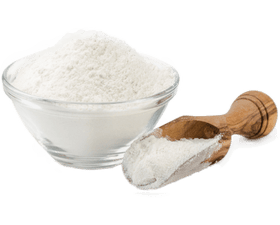
Appearance: Pale yellow to ivory solid
Aroma: Mild chocolate note (varies naturally)
Melting Point: Approx. 34–38°C
Solubility: Oil-soluble
Cocoa butter is one of several cocoa products obtained from cocoa beans.
Store in a cool, dry place, ideally below 25°C
Keep away from heat, moisture, and direct sunlight
Close the container after use
High-quality, natural cocoa butter with short-dated value
Ethically sourced from cocoa farms
Vegan, cruelty-free, and plant-based
Transparent labelling—no medical or expert claims
Suitable for DIY formulators, artisan brands, and small batch creators
Ships worldwide with clear labelling and quality promise
We provide transparent ingredient sourcing so you can formulate with confidence.
Is cocoa butter comedogenic?
Cocoa butter has a moderate to high comedogenic rating (4 out of 5), meaning it may clog pores in some individuals, particularly those with oily or acne-prone skin. For facial use, consider using it at lower percentages (5% or less) in emulsions, or stick to body-only applications. Always patch test first.
Can I use cocoa butter on my face?
Yes, but use at lower rates (5% or less) in emulsions to avoid heavy texture.
Is it suitable for psoriasis-eczema-prone skin?
Yes. Its barrier effect and moisturising make it supportive for eczema- and psoriasis-prone skin, though individual patch tests are recommended.
Is cocoa butter suitable for sensitive skin?
Yes, cocoa butter is generally gentle and soothing, making it suitable for sensitive skin. Its nourishing properties, especially when combined with Vitamin E, help calm and protect delicate or easily irritated skin types.
Will cocoa butter stain?
Cocoa butter is non-staining. Slight natural colour may tint very light fabrics.
Can the chocolate scent vary?
Yes. As a natural product, cocoa butter aroma may fluctuate slightly from batch to batch.
Is cocoa butter safe for use in cosmetics?
Yes, cocoa butter is safe for topical use in cosmetics. Safety evaluations by organisations such as the Environmental Working Group (EWG) support its use, including during pregnancy. However, as with any ingredient, rare allergic reactions are possible, and it’s important to check for added ingredients.
Does cocoa butter darken skin?
No, cocoa butter does not darken skin. It is a natural moisturiser that hydrates and nourishes the skin without causing any darkening.
Is cocoa butter good for skin?
Yes, cocoa butter is good for skin, especially for dry or resistant skin types. It moisturises, helps repair the skin barrier, and provides antioxidant that help protect the skin from environmental stressors.
What is raw cocoa butter?
Raw cocoa butter means cocoa butter in its natural, unrefined state. It retains its natural qualities, scent and beneficial enzymes, making it perfect for skincare applications like creams and lip balms.
Can I use cocoa butter on my lips?
Yes, cocoa butter is commonly used in lip care products. It’s a natural moisturiser and barrier to keep lips hydrated and protected from dryness.
Short-dated means poor quality?
No. Shorter best-before dates often reflect packaging timeframes, not efficacy. Stored correctly, cocoa butter stays stable.
There are countless ways to use Aromantic’s natural cocoa butter in your DIY cosmetics. This nourishing ingredient can be used in both oil-based products and emulsions, making it a versatile staple to have on hand.
Discover some of our favourite cosmetic recipes containing cocoa butter:
Here is a link to all non-batch-specific documents for this product: Link to Technical Documents
If you have any questions about the documents or need the Certificate of Analysis (COA) for a product that you have received, please request it here.
Mango Butter – Softer texture and faster absorption
Shea Butter – Creaminess in blends
Beeswax – Richer texture and barrier
Vitamin E (Tocopherol) – Antioxidant for oil-based blends## Ingredients
EcoSilk MB (Isoamyl Laurate) – Skin feel and glide
D‑Panthenol – Skin texture and hydration in emulsion
Organic Jojoba Oil – Carrier for dilution or emulsion
Preservative Eco – Mild preservative for water-containing formulations
Winter Balm – 30% cocoa, 20% shea, 10% beeswax, 40% jojoba
Whipped Body Butter – 25% cocoa, 25% mango, 50% fractionated coconut oil
Soothing Lip Balm – 25% cocoa, 15% shea, 10% candelilla, 50% castor oil
Bath Melt – 50% cocoa, 50% coconut oil
Creams and Lotions Example – 15% cocoa, 10% shea, 5% emulsifying wax, 65% water, 5% carrier oil
Sustainably sourced cocoa beans from South America
No animal testing and vegan, except natural butter
Environmentally responsible practices
Aromantic ensures supply chain transparency
Plant-based butter for moisturising, skin texture, and barrier function
High in antioxidants to nourish the skin
Chocolate scent for a luxurious feel
Base for balms, creams, lotions, bars, and perfumes
Eczema- and psoriasis-prone skin friendly with barrier support
Short-dated deals great quality at value prices




Overall rating: 4.8 / 5 from 10 reviews.
Review topics: [quality, butter, delivery, smell, texture].
"Beautiful quality cocoa butter with a rich, natural chocolate scent. It melts smoothly and adds a lovely creamy texture to creams and balms. It arrived well packaged and is a joy to work with – I will definitely be repurchasing."
"Exactly what I expected. White in blocks good quality and no strong smell. Turned out very good in my formulation. Keep up the good job! 👍"
"Great quality butter at a really good price. Delivery quick and great service. Thank you"
"What a lovely product the smell when you open the package is gorgeous, you could almost eat it! Very silky, melts so easily and quickly."
"10/10 based on the quality of product received, and swift delivery."
"Love them all. Thank You"
"Love them all. Thank You"
"I have been shopping with Aromantic since 2010 and buy all my aromatherapy and product making materials from them. I attended a wonderful course with them 10 years ago up in Forres and rate the company highly for quality and ethical sourcing."
"I made solid conditioner bars with this. Good quality"
"Good quality and nice flavour"


Trading Address:
Aromantic Ltd, 15 Greshop Road, Forres, IV36 2GU, United Kingdom
Phone Number: +44(0)1309 696900
Email: info@aromantic.co.uk
Company Number: SC299277
VAT: GB683087901
Let us help you find it