


Does the job
"Works well as part of the deodorant recipe."

 Effective odour neutraliser for deodorant formulations
Nature-identical, sustainable alternative to natural extracts
Soothes and moisturises delicate underarm skin
Improves deodorant texture and scent stability
Ideal for sensitive-skin friendly deodorant DIY
Effective odour neutraliser for deodorant formulations
Nature-identical, sustainable alternative to natural extracts
Soothes and moisturises delicate underarm skin
Improves deodorant texture and scent stability
Ideal for sensitive-skin friendly deodorant DIY


Minimum Shelf life:


Nature-identical cosmetic ingredient
For deodorant formulations
No added preservatives
Alternative to natural Farnesol
Reduces the appearance of redness from shaving irritation
For eczema-prone skin
Calms and balances skin
Soothes skin
Improves skin texture
Moisturises and nourishes dry underarm skin
Can be used in oil and water-based deodorant blends
Vegan and cruelty-free
Derived to mimic compounds found in Palmarosa and Chamomile oils
Farnesol is a nature-identical cosmetic ingredient used in deodorants due to its gentle, skin-friendly profile and effectiveness. Found in essential oils like Palmarosa and Chamomile, it’s also present in the flowers of neroli, ylang-ylang, and acacia farnesiana. Farnesol is responsible for the characteristic scent of many flowers, especially those with a lily or lily-of-the-valley fragrance. It neutralises body odour and supports a pleasant scent profile in personal care products.
Farnesol is an unsaturated alcohol and is often present as a mixture of isomers or related esters in natural sources. It’s also known as farnesyl alcohol, a synonym recognised under regulatory standards for use as an active ingredient in cosmetic and flavouring products. This Farnesol is perfect for those with sensitive skin or those who suffer from eczema and redness. If you have sensitive skin or eczema, this ingredient will soothe the skin, moisturise dry areas, and calm and balance the complexion. Its performance is the same as naturally extracted Farnesol, but at a fraction of the cost and resource intensity.
This ingredient does two jobs: it controls odour and improves the texture and feel of deodorant products. Whether you’re making a solid stick, cream, roll-on or spray formula, Farnesol blends with essential oils, butters, waxes, and hydrosols. Combining Farnesol with other deodorising agents creates a synergistic complex, odour control, and skin compatibility.
Because Farnesol mimics natural compounds, it’s less likely to irritate, making it perfect for sensitive or eczema-prone skin. It also moisturises skin, especially when combined with moisturising oils like jojoba or squalane.
Sourcing natural Farnesol requires large quantities of essential oils, making the process expensive and resource-intensive. Our nature-identical alternative is the same, but far more sustainable.
Farnesol is a colourless liquid extracted from essential oils, used in the cosmetic industry for its versatility and gentle profile. With a delicate scent of rose and other floral notes, Farnesol is a nature-identical cosmetic ingredient, meaning it’s chemically identical to the compound found in essential oils like rose, neroli, and palmarosa. Its molecular structure is an unsaturated alcohol, a sesquiterpene, and is scientifically known as 3,7,11-trimethyldodeca-2,6,10-trien-1-ol.
This ingredient is used as a fragrance and active ingredient in many cosmetic products, body lotions, perfumes, and household care products. Farnesol isomers are also used in the creation of fragrances and flavourings to give a sweet, mild, and fresh vanilla character to many consumer products. It blends well with oils and other cosmetic ingredients and is a popular choice for products that require a subtle, pleasant odour and good performance. As a nature-identical ingredient, Farnesol gives the benefits of natural essential oils while ensuring consistency and sustainability in large-scale production.
Farnesol is regulated to ensure its safe use in cosmetic and consumer products. The European Chemicals Agency (ECHA) classifies Farnesol as posing minimal or no environmental risk when used as intended. It’s classified as a skin sensitizer under certain conditions, so direct skin contact and oral and lip exposure can occur through products like deodorants, body lotions, and other cosmetic products. Proper usage concentrations and formulations help minimise the risk of sensitisation.
To protect consumers, the Scientific Committee on Consumer Safety (SCCS) has set guidelines for Farnesol use, including a maximum concentration of 0.5% in leave-on products and up to 1.0% in rinse-off products. These limits ensure that any potential for skin irritation or sensitization is extremely low. Farnesol is also subject to IFRA standards, which set additional safety benchmarks for fragrance ingredients in cosmetic formulations.
The quality and safety of Farnesol start with quality control at every stage of production. Manufacturers follow strict protocols to test for purity, stability, and absence of contaminants using advanced analytical methods to verify that each batch meets industry standards. Farnesol is typically produced through a controlled synthesis process where carefully selected materials are reacted to form the desired compound, which is then purified and concentrated to get a high-quality nature-identical ingredient. Suppliers must provide detailed documentation on the source of raw materials, manufacturing process, and all quality control measures during production. Finished products containing Farnesol are tested for stability, efficacy, and safety for skin contact, including skin irritation and sensitisation assessment. By following these strict quality assurance practices, manufacturers can deliver reliable and effective products that meet regulatory requirements and consumer expectations for safety and performance. This ensures Farnesol is a trusted ingredient in the cosmetic and personal care industry.
INCI Name: Farnesol
Origin: Nature-identical synthetic equivalent
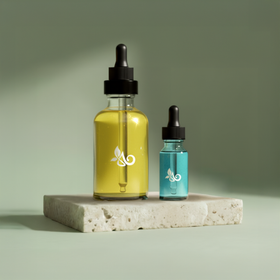
Appearance: Colourless to pale yellow, clear liquid
Solubility: Oil-soluble. Dispersible in alcohol and emulsions. Not water-soluble.
Store in a cool, dry place away from direct sunlight.
Shelf Life: Up to 2 years from date of manufacture.
The expiration date is printed on the packaging.
At Aromantic, we specialise in high-quality ingredients for natural and organic skincare and body care formulations. Our Farnesol is sourced and compliant with UK and EU cosmetic standards. We ensure our products meet strict quality control standards and are free from unnecessary additives. As a trusted supplier, Aromantic sources Farnesol from reputable manufacturers and meets all regulatory and safety standards. We ship worldwide with fast dispatch and transparent service. Whether you’re a DIY formulator or a small business owner, you can rely on us for consistency, sustainability, and affordability.
We make no expert claims – just great ingredients you can trust.
Yes. Farnesol is gentle and suitable for eczema-prone skin. Farnesol is classified as a skin sensitiser (skin sens) under current cosmetic safety regulations, so formulations should be carefully designed to minimise the risk of skin sensitisation cosmetic safety regulations. It also soothes and moisturises the skin after shaving or irritation.
Yes. Farnesol is nature-identical, meaning it mimics compounds found in natural sources without being directly extracted from them. This makes it perfect for eco-friendly, natural-style formulations.
Farnesol itself does not require preservation, but any product containing water will need a suitable preservative system.
It has the same chemical structure and function as Farnesol found in essential oils like Palmarosa and Chamomile, but is synthetically created to offer a more cost-effective and sustainable option.
It works well with Triethyl Citrate, and essential oils like Lavender, Tea Tree, and Lemongrass.
Click on the links below to be directed to some great recipes featuring Farnesol
Here is a link to all non-batch-specific documents for this product: Link to Technical Documents
If you have any questions about the documents or need the Certificate of Analysis (COA) for a product you have received, please request it here.
Organic Jojoba Oil – Lightweight moisturising oil for underarm skin
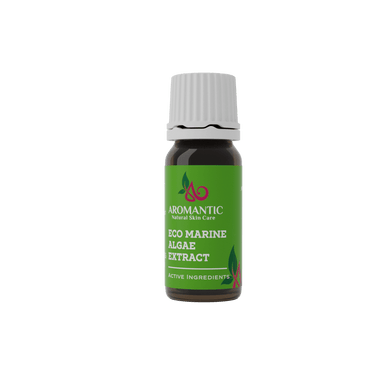
Eco Marine Algae Extract – Balances skin tone and texture
Hyaluronic Acid Eco 100% Powder – Hydrates the skin
Hyaluronic Acid Gel – Moisturising gel base for skin-soothing formulas



It visibly reduces scaliness & the appearance of wrinkles on the skin






Overall rating: 5.0 / 5 from 4 reviews.
Review topics: [].
"Works well as part of the deodorant recipe."
"I made a stick deodorant using the farnesol together with other ingredients to make up the formula and I tested it before I exercise and after I exercise my am pit did sweat but was not smelly at all. Only the nice scent of the deodorant I was smelling. So the farnesol really works. I wanted to order a bigger bottle but they sold out. and I need this for my deodorants to sell."
"I use farnesol together with other ingredients to makea stick deodorant. I use it before I exercise and after I exercise my am pit did sweat but it did not smell bad at all. Just the nice scent of the deodorant fragrance. So the farnesol really works and should be added to your formula wether it is a stick deodorant or a roll on deodorant."
"I was a bit sceptical that this would be effective as I’ve tried many natural deodorants over the years. Great used with Lemon Eater in Aromantic’s recipe. Very effective!"


Trading Address:
Aromantic Ltd, 15 Greshop Road, Forres, IV36 2GU, United Kingdom
Phone Number: +44(0)1309 696900
Email: info@aromantic.co.uk
Company Number: SC299277
VAT: GB683087901
Let us help you find it